

Muji’s key to effective promotions: Online-Merge-Offline (OMO) data insights
Shailesh Panchal | May 2026 | 4 min read
💡 Online-Merge-Offline (OMO) Marketing Kya Hai?
OMO Marketing ek aisi strategy hai jahan brand apne digital aur physical presence ko merge karta hai taki customer ko seamless experience mile.
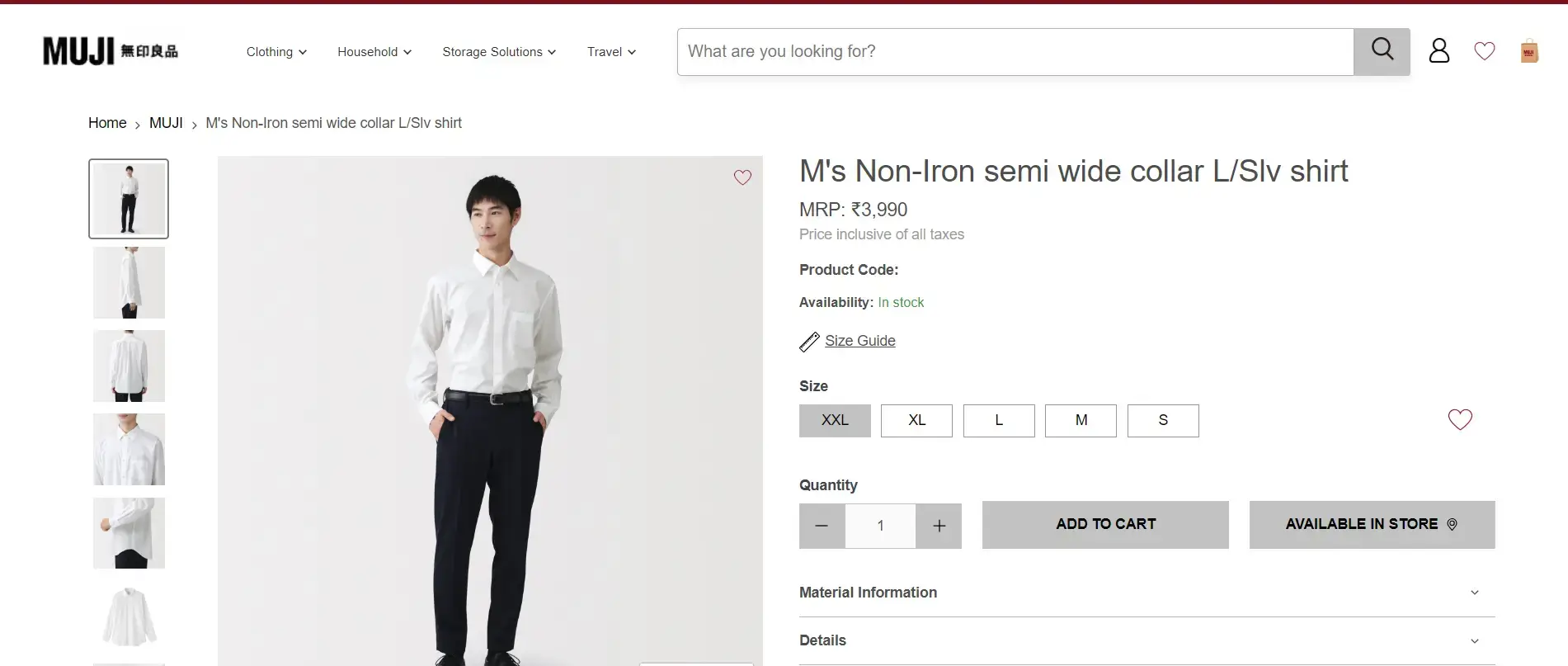
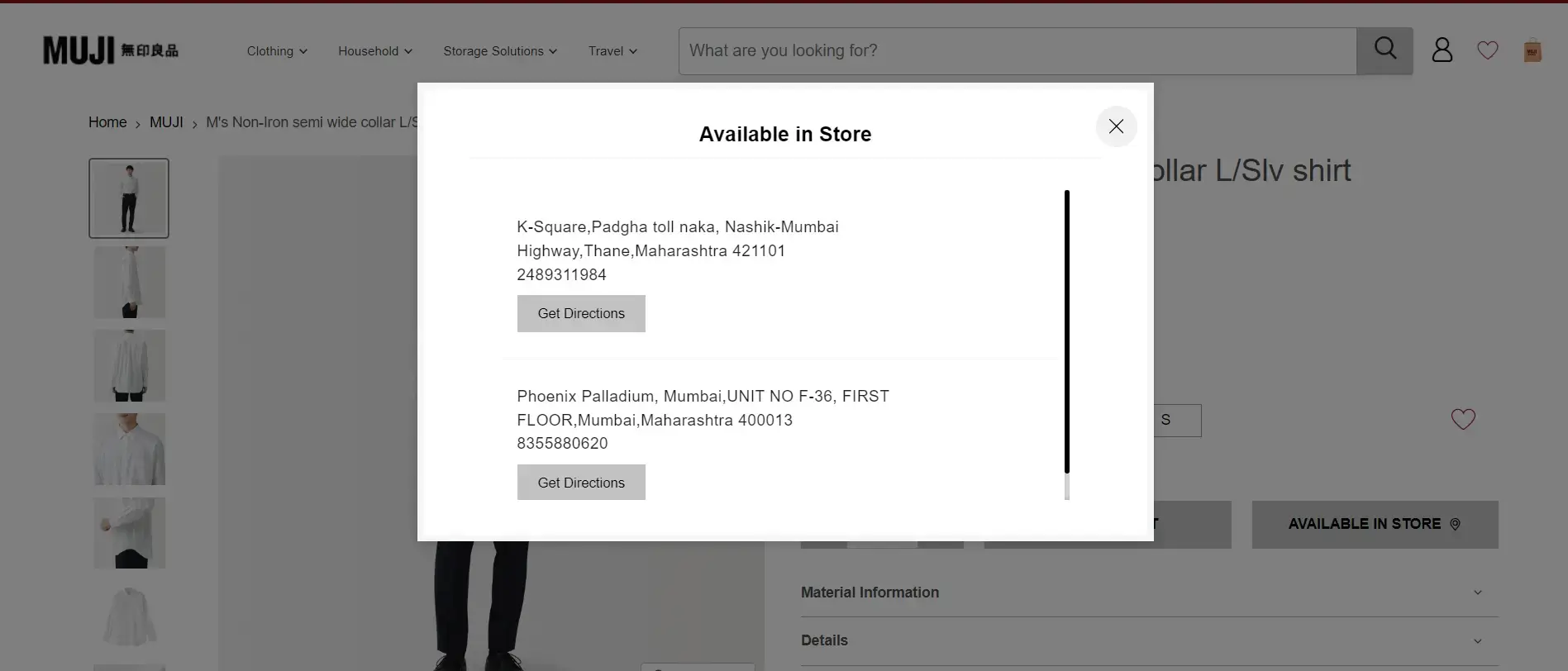
Example: Maan lijiye aap Muji ke mobile app par ek jacket dekhte hain aur usay wishlist mein dalte hain. App aapki location track karke batata hai ki aapke nazdeek wale physical store mein woh jacket kis rack par available hai. Aap store me jakar jacket try karte hain aur billing counter ki lambi line me lagne ke bajaye, app se QR code scan karke online payment aur discount offer apply kar dete hain. Yahan online browsing, data tracking, aur offline trial ek sath merge ho gaye. Yehi OMO marketing hai!
🛒 MUJI ka Full Form aur Matlab
MUJI ka full form Japanese mein “Mujirushi Ryōhin” hai, jiska matlab hai “No Brand, Quality Goods”. Inka focus dikhawe par nahi balki quality aur minimalism par hai.
Retailers ke liye, modern shoppers ko omnichannel experiences ke sath satisfy karna ab top priority ban gaya hai.
2026 mein, Deloitte ke ek survey ke anusaar, global retailers ye mante hain ki unki growth ka sabse bada hissa omnichannel experiences ko behtar banane se aayega.
Khaas taur par, Online-Merge-Offline (OMO) marketing businesses ko profitably grow karne mein madad kar sakti hai. Jab aapka brand integrated data insights ka use karke online aur offline store experiences ko merge karta hai, toh aap marketing efficiency improve kar sakte hain, especially promotion spend ke liye.
Apne online, app, aur physical channels ko ek seamless ecosystem mein unify karke, aap customers ko sahi value—sahi information se lekar offers aur discounts tak—sahi time par deliver kar sakte hain. Isse aap unki needs ke sath aligned rehte hain aur sustainable growth drive karte hain.
Lekin OMO strategies ko effective banane ke liye, apne first-party data ko analyze karna critical hai taki customer journeys ke deep aur granular insights mil saken.
Ek company jo is data-led OMO success ko achieve kar rahi hai—aur 2026 financial year ke pehle half mein record high operating revenues aur profits haasil kar rahi hai—woh hai Ryohin Keikaku. Inka retail brand Muji customers ke online aur in-store experiences ke synchronisation ko ek art form ki tarah use karta hai, jisse log, nature aur objects ke beech ek balanced relationship banti hai.
Ab Muji, Google ke sath milkar AI-powered models ka use kar raha hai taki promotional activities ko profitable sales ke liye optimize kiya ja sake.
Driving smarter data-led decisions: Muji’s Promotion Insights Hub
Lagbhag 1,470 physical stores aur 17.5 million active app users ke sath, Muji ke paas apparel, household goods aur food categories mein bahut saara consented first-party data hai.
Unki teams incremental revenues aur customers ke online/offline behavior ke beech ke causal relationships ko accurately samajhna chahti thi. Unke paas do main challenges the:
- Relevant data extract karne mein bahut time lagta tha.
- Actionable insights ke liye advanced technical tools ki zaroorat thi.
Isliye unhone Google ke sath milkar Muji Promotion Insights Hub develop kiya. Isme Causal Machine Learning ka use kiya gaya jo Google Analytics, Search Console aur first-party store sales data ko external factors (jaise temperature, precipitation aur demographics) ke sath analyze karta hai.
Is model ko Gemini Enterprise ke sath integrate kiya gaya taki data automatically analyze ho sake aur team ke sawalon ke jawab chatbot ke zariye de sake.
1. Easily accessible insights on OMO effectiveness
Causal ML model ne paya ki online engagement ka offline sales mein 14.8% contribution tha. Isse Muji app ki effectiveness ek digital product catalogue ke roop mein sabit hui jo in-store purchases ko drive karti hai.
Gemini-powered interactive chatbot ki wajah se koi bhi team member bina technical skills ke sawal pooch sakta hai aur easy-to-read reports haasil kar sakta hai.
2. Highly granular analyses
Temperature aur store location jaise variables feed karke, Muji ne samjha ki ye factors in-store sales ko kaise impact karte hain. September 2025 mein offline sales drive karne wale factors regions ke hisab se alag the:
- Hokkaido: Yahan autumn chill (thand) ki wajah se logon ne app par thermal apparel explore kiya, jisse offline sales badhi.
- Osaka: Yahan September moving house ka time hota hai, isliye logon ne furniture online explore kiya aur phir store mein jaakar specifications check kiye.
Maximising sales: How promotion insights improve Muji’s strategies
Muji ne sales improve karne ke liye teen sophisticated strategies identify ki:
1. Optimise pricing and discounts for each category: “Muji Week” (October 2025) ke dauran 10% discount ka asar check kiya gaya. Paya gaya ki bulk purchases (electronics, footwear, bags) mein ye bahut effective tha, lekin daily essentials (food, health) mein iska impact kam tha kyunki brand-loyal customers ise waise bhi kharidte hain.
2. Offer more promotions in specific regions: Japan ke suburban areas (jaise Ehime) mein promotions ko Tokyo jaise sheharon ke comparison mein jyada achha response mila.
3. Offer differentiated discounts: Apparel (kapde) par discounts off-season mein bhi incremental sales dete hain. Lekin furniture aur stationery jaise categories mein off-season discounts ka asar negligible ya negative bhi ho sakta hai.
Promote profitably: Use OMO data insights to grow your business
Google ke sath collaboration se Muji ne Japan business mein store aur e-commerce sales ko pichle saal ke mukable double kar diya hai aur 11.3% operating profit margin achieve kiya hai.
BCG ki analysis ke anusaar, APAC ke businesses advertising aur promotions ko boost karke customer growth aur profitability dono haasil kar sakte hain.
Aapka business bhi Google ki analytical aur causal inference capabilities ka use karke promotion effectiveness improve kar sakta hai.
Contributor: Dr. Martin Spindler, Professor of Data Science, Statistics & Econometrics, the University of Hamburg.